
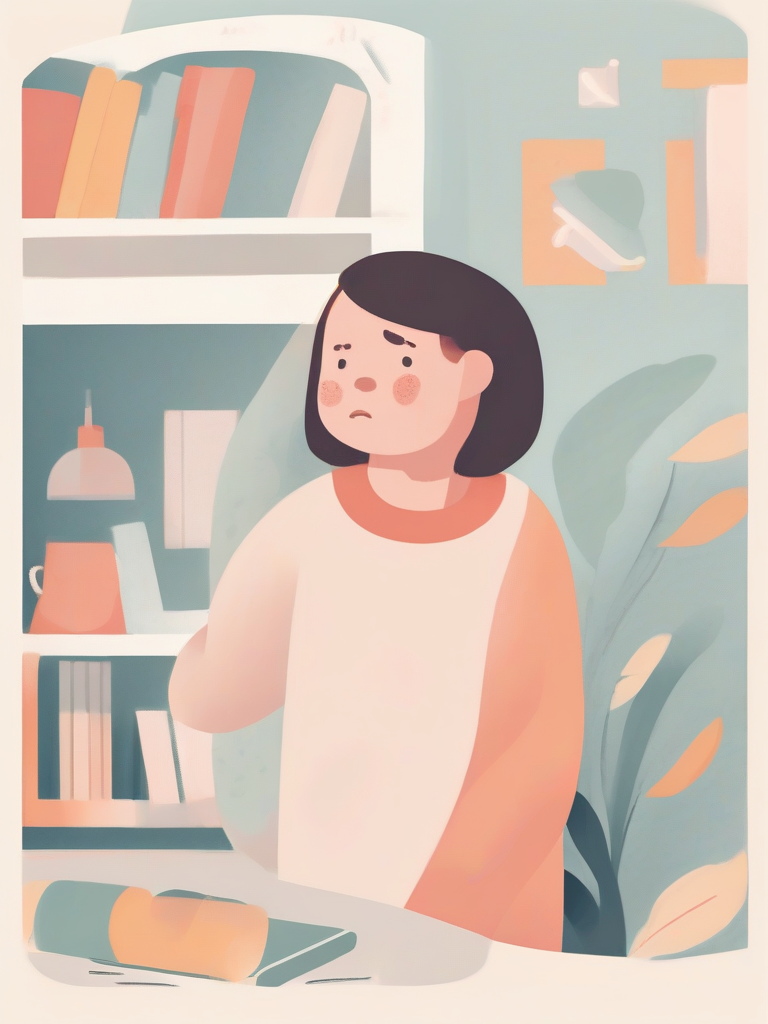
Your child says, "I hate English." It hurts to hear it. But this sentence often means something smaller: "It is too hard", "I am afraid of mistakes", or "I want to play". You can help, and you do not need to teach.
Why children say it
Children do not hate a language. They hate feeling lost. If English means tests, red pens and long word lists, of course they turn away.
I hate English. — What they may mean: I hate feeling stupid.
Make it small and fun
Ten minutes is enough. A game, a song, a picture book. Stop while it is still fun. A short happy lesson beats a long sad one.
Let us play one game, then we stop.
Do not test at home
Home is not school. Do not ask, "What is this word?" Ask, "Do you like this story?" Let English be a door, not an exam.
Let them teach you
Children love to be the teacher. Ask them to teach you three words. They will remember those words for a long time.
Teach me how to say "apple" in English.
Praise the try, not the answer
Say, "I like that you tried." Not, "That is wrong." A child who feels safe will speak again.
Words to remember
- hate — to dislike something very much
- praise — to say good things about someone
- safe — free from fear or danger
- try — to make an effort
Questions & answers
Q: Should I force my child to read every day?
No. A child who is forced will read less later. Choose one short book and read it together.
Q: What if my own English is not good?
That is fine. You can learn together. Say, "Let us find out together." Your effort teaches them more than perfect English.
Q: How much screen time is okay?
A little, with you nearby. Choose slow stories and songs. Talk about what you saw.
Q: My child is shy. What should I do?
Do not push them in front of others. Practise at home, with one person, then two.
Q: How long will it take?
Months, not days. Look for small wins: one new word, one song, one smile.